Working as a welder in Germany in 2025 is an opportunity for stable employment and attractive earnings that not only allow for a peaceful life but also savings. Average wages, overtime pay, and bonuses make emigration profitable, especially for those with experience and certifications who want to utilize their skills in well-paid projects. It’s worth knowing the real amounts and working conditions to consciously plan emigration and avoid disappointments upon arrival.
How much does a welder really earn in Germany in 2025 – figures you should know before emigrating
If you’re considering emigrating for work and wondering how much a welder in Germany earns, you might be positively surprised, as it is one of the professions that still enjoys stable demand and good salaries. The average earnings of a welder in Germany in 2025 are about 38,300 euros gross annually, which corresponds to approximately 3,192 euros monthly.
Hourly wages are around 20 euros per hour, with the lower earnings limit at 32,500 euros annually, while the highest-paid welders can even expect 45,900 euros gross per year.
A simple tax return in 12 minutes?
Choose Taxando!
Thanks to overtime and bonuses, your salary can even increase by 50% over the base salary, which in practice means that between 2,800 and 4,000 euros net can flow into your account monthly, depending on the workplace, type of contract, and number of hours worked. A welder in Germany has earnings that depend on several factors, including possessed certifications, skills in handling various materials, and specialization. If you’re thinking of working in this profession, reviewing real wages will help you plan your emigration better and familiarize yourself with the cost of living in your chosen federal state.
Stuttgart or Berlin – where does a welder earn more and why does location matter?
It’s no secret that earnings for welders in Germany depend on the region they work in. In 2025, the best-paid jobs for welders are in southern Germany, in cities like Stuttgart or Munich. In Stuttgart, the average earnings are about 38,800 euros annually, and in Munich – 37,600 euros annually. In Berlin, on the other hand, you can expect a salary of about 32,600 euros annually, and in Dresden even less, about 31,000 euros gross.
Why is this so? Southern federal states like Bavaria and Baden-Württemberg have a stronger economy and more developed industrial companies that offer higher wages and additional benefits. If high earnings are important to you, the choice of a workplace in Germany is of great importance. At the same time, remember that the cost of living in Munich or Stuttgart will be higher than in Berlin or Dresden, so it’s worth calculating how much remains in your pocket after deducting expenses for housing and daily life. This will help you better decide where it is most worthwhile to work as a welder.
Overtime, bonuses, 13th salary – how a welder in Germany can increase their payout
The salary level is one thing, but the real income in the welding profession in Germany often increases due to allowances and benefits companies offer. Bonuses for overtime can increase your salary by up to 50% of the base salary, which allows welders to significantly increase their monthly income, especially in times of increased work demand. Additionally, task bonuses can account for up to 20% of the monthly salary, depending on the type of project, industry, and efficiency of the work performed.
In large companies, you can also expect a 13th salary as well as holiday pay, i.e., a Christmas bonus, which represents an additional cash inflow during the year. At some workplaces, welders also receive free meals, work clothing, and travel allowances, which effectively reduce your daily expenses. All this leads to a welder being able to increase their earnings in Germany thanks to the bonus and overtime system, and skillfully using these opportunities allows for saving as well as planning larger investments in the future, such as renting a better apartment or saving for a return to Poland.
Experience, courses, specializations – what increases a welder’s earnings in Germany?
If you want to increase your welding earnings in Germany, you should know that investing in your qualifications has a real impact on salary levels. Professional experience leads to you being able to expect better wages over time, but additional courses and certificates have an even greater influence on earnings. Completing courses opens up the possibility of running your own business, and a technical diploma or engineering degree in welding technology allows for work in management positions and better-paid projects.
Additionally, specializing in working with specific materials such as stainless steel or aluminum increases your value in the job market since not everyone possesses the appropriate authorizations and experience in these areas. It is important to remember that a welder in Germany makes their earnings dependent on the industry they work in – heavy industry or mechanical engineering usually pays more than small service companies. Collective agreements in large companies also allow for better compensation and employment stability, which translates into financial security. If you’re planning to emigrate to Germany for work purposes, acquiring additional qualifications is one of the best ways to increase your income.
Planning to emigrate for work? Check how much a welder can earn in Germany and what to watch out for
Emigrating for work abroad is a decision that should be well thought out, especially if you want to know how much a welder earns in Germany and what you can realistically expect. Besides the gross salary amount, you need to pay attention to tax issues, cost of living in the chosen federal state, and the social security system, which will affect the net salary. It’s worth finding out how vacation issues, overtime look, and what allowances and benefits the employer offers to avoid disappointments and better plan your finances after arrival.
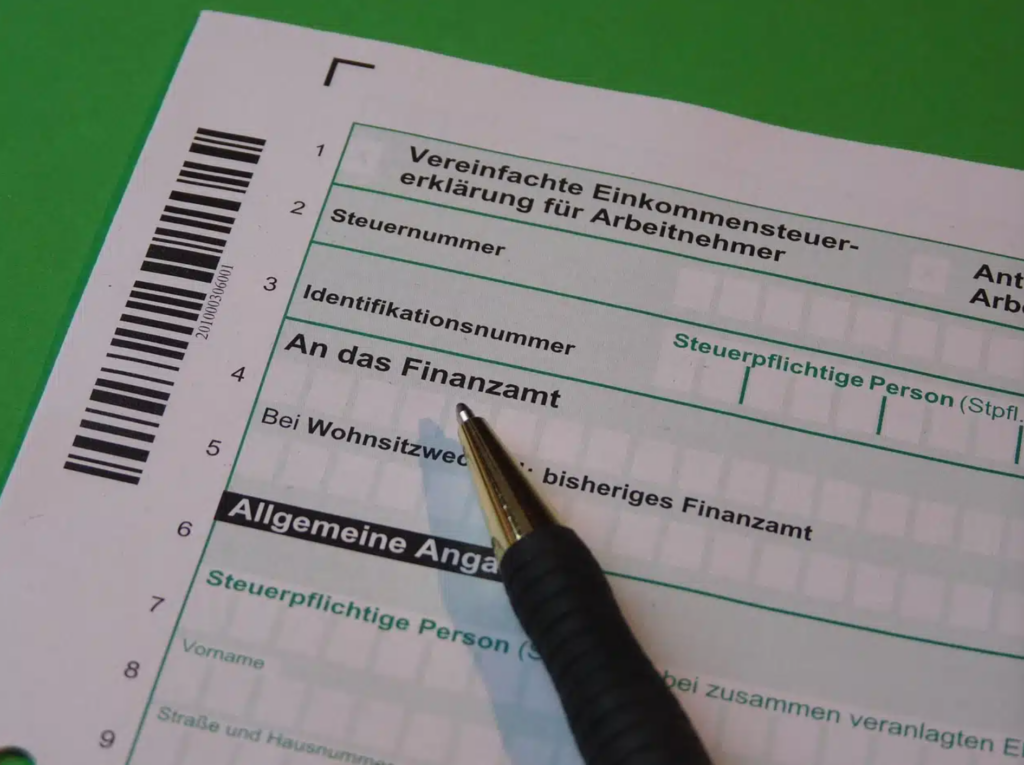
Before emigrating, it’s worth checking the accommodation conditions, contract terms, and the type of tax settlement to avoid unnecessary problems and additional payments in the future. Working in Germany involves the obligation to file taxes, so it’s good to prepare for it from the start and plan the tax settlement from Germany online, which saves time and nerves. It’s best to do this with Taxando – this way you can quickly and stress-free settle the taxes while maintaining control over your financial situation during work in Germany.

Maciej Szewczyk
He gained experience as a consultant on IT projects for many international companies. In 2017, he founded the startup taxando GmbH, where he developed the innovative tax app Taxando, which simplifies the filing of annual tax returns.
Maciej Szewczyk combines technological expertise with in-depth knowledge of tax regulations, making him an expert in his field. In his private life, he is a happy husband and father and lives with his family in Berlin.